
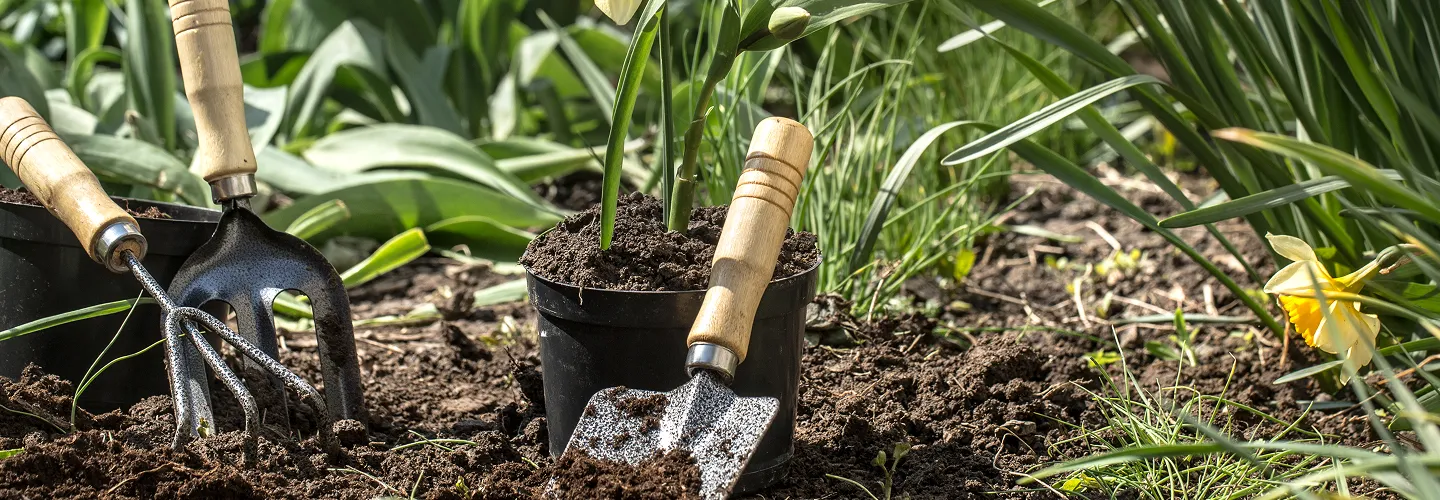
Wrens Flower Planting Services
Choose our flower planting services for vibrant, healthy blooms that enhance your home's beauty and curb appeal—our experienced team ensures every garden thrives with personalized care and attention.
Get a Free QuoteOur Wrens Landscaping & Yard Care Services
When to Schedule Flower Planting in Wrens, Georgia – Seasonal Guide
Flower planting in Wrens, Georgia, is best scheduled with careful attention to our region’s unique climate and landscape. The ideal planting windows are typically early spring, after the last frost date in late March, and early fall, when temperatures begin to cool but before the first frost in November. These periods allow flowers to establish strong roots before the extremes of summer heat or winter chill. Neighborhoods near Wrens Memorial Park and along the Pine Street corridor often experience microclimates due to varying shade from mature trees and proximity to water features, which can influence planting success.
Local environmental factors such as high summer humidity, occasional drought conditions, and the sandy-loam soils common in the area all play a role in determining the best time for planting. It’s also important to consider municipal guidelines and local resources, such as those provided by the Sudbury town website, for up-to-date information on water usage and landscaping best practices.
Local Factors to Consider for Flower Planting in Wrens
- Proximity to mature tree canopies (affecting shade and moisture)
- Soil drainage and composition (sandy-loam is prevalent)
- Average precipitation and drought risk
- Frost dates and seasonal temperature swings
- Terrain slope and runoff patterns
- Municipal restrictions on watering or planting
- Neighborhood-specific microclimates (e.g., near Wrens Memorial Park)
Benefits of Flower Planting in Wrens
Expert Landscaping Services
Customized Garden Designs
Seasonal Plant Selection
Enhanced Curb Appeal
Eco-Friendly Practices
Reliable Local Team
Wrens Flower Planting Types

Perennial Flower Beds
-
Annual Flower Displays
-
Native Wildflower Gardens
-
Pollinator-Friendly Plantings
-
Shade Garden Flowers
-
Seasonal Bulb Planting
-
Container Flower Arrangements
Our Flower Planting Process
Site Evaluation
Soil Preparation
Plant Selection
Careful Planting
Watering and Mulching
Why Choose Wrens Landscape Services
-
Wrens Homeowners Trust Us
-
Expert Lawn Maintenance
-
Reliable Scheduling
-
Competitive Pricing
-
Professional Team
-
Satisfaction Guarantee
-
Personalized Service
Wrens's Sandy Loam Soils and Their Impact on Flower Bed Preparation
Wrens sits in Jefferson County within Georgia's upper Coastal Plain, where the predominant soils belong to the Norfolk, Orangeburg, and Dothan series—sandy loams and loamy sands that are naturally well-drained but acidic, typically registering a pH between 4.8 and 5.8. These conditions directly affect flower planting success. The USDA Web Soil Survey confirms that Jefferson County soils tend toward rapid infiltration, meaning nutrients and moisture can leach below the root zone quickly. Before installing annual or perennial flower beds, property owners should take the following preparatory steps:
- Soil testing: Submit samples through the UGA Cooperative Extension for pH and nutrient analysis; lime applications of 30–50 pounds per 1,000 square feet are commonly recommended for acidic Coastal Plain soils.
- Organic matter amendment: Incorporate 2–3 inches of composted material into the top 6–8 inches of soil to improve moisture retention.
- Drainage assessment: Verify that beds in low-lying areas do not hold standing water after rain, which can promote root rot in most flowering species.
Wrens falls within USDA Hardiness Zone 8b, with average annual minimum temperatures between 15°F and 20°F, which governs perennial survivability and planting timing.
Optimal Flower Planting Windows for Wrens's Long Growing Season
Wrens's extended warm season—typically spanning from mid-March through early November—provides a broad window for flower installation, but timing must account for late frost risk and peak summer heat. The National Weather Service Columbia, South Carolina forecast office serves the Wrens area and provides frost advisories critical for scheduling spring plantings. Key timing guidelines include:
- Cool-season annuals (pansies, violas, snapdragons): Install from mid-October through November for fall and winter color, or in late February through early March for spring displays before summer heat arrives.
- Warm-season annuals (zinnias, lantana, pentas, vinca): Plant after the last average frost date, approximately March 15–25 in Wrens, and no later than mid-July to allow establishment before fall.
- Perennials (coneflower, black-eyed Susan, daylily, salvia): Install in early spring (March–April) or early fall (September–October) when soil temperatures range between 55°F and 75°F, promoting root development without excessive heat stress.
Soil temperature, not air temperature, should guide planting decisions. A soil thermometer inserted 4 inches deep provides the most reliable reading for Wrens's sandy loam conditions.
Protecting Wrens Drainage Infrastructure During Flower Bed Installation
Flower bed construction and soil amendment work can generate loose soil, mulch, and organic debris that may migrate into Wrens's municipal drainage system during heavy rainfall events. The City of Wrens Public Works Department maintains streets, roads, and drainage systems throughout the city, and residents undertaking flower planting projects should take precautions to prevent sediment from entering roadside ditches, culverts, and stormwater conveyances. Recommended practices include:
- Sediment barriers: Place straw wattles, silt fencing, or mulch berms along the downslope edge of newly prepared beds adjacent to streets, driveways, or drainage swales.
- Staged soil delivery: Avoid stockpiling large quantities of topsoil, compost, or mulch on impervious surfaces where rain can wash material into storm drains.
- Immediate mulching: Apply 2–3 inches of pine straw or shredded hardwood mulch to exposed bed surfaces within 24 hours of planting to stabilize soil.
The Georgia EPD Watershed Protection Branch oversees water quality standards statewide, and property owners should be aware that sediment-laden runoff entering local waterways—including Rocky Comfort Creek and other Jefferson County tributaries—may constitute a water quality concern under the Clean Water Act.
Wrens Public Works
P.O. Box 190, Wrens, GA 30833
Phone: (706) 547-2015
Official Website: Wrens Public Works
How Wrens Code Enforcement Standards Affect Frontage Flower Beds and Property Appearance
The City of Wrens Code Enforcement office enforces local ordinances related to property maintenance, zoning requirements, and community appearance standards. Residents planning flower beds in front yards, along sidewalks, or within right-of-way-adjacent areas should verify that plantings comply with local regulations. While flower planting generally enhances property appearance and supports code compliance, certain considerations apply:
- Height restrictions: Plantings near intersections, driveways, or street corners may be subject to sightline requirements; tall-growing species such as cannas, ornamental grasses, or sunflowers should be set back from visibility triangles.
- Right-of-way boundaries: Flower beds should not encroach into the public right-of-way without municipal awareness; verify property lines before installing permanent edging or raised beds near the street.
- Nuisance vegetation: Overgrown or unmaintained flower beds that become weedy or harbor pests may trigger code enforcement action under property maintenance standards.
Property owners with questions about setback requirements, frontage standards, or permitted plantings should contact the Wrens Code Enforcement office directly.
Wrens Code Enforcement
P.O. Box 190, Wrens, GA 30833
Phone: (706) 547-2015
Official Website: Wrens Code Enforcement
Selecting Heat-Tolerant and Deer-Resistant Flower Species for Wrens Landscapes
Wrens's position in the upper Coastal Plain subjects flower plantings to sustained summer temperatures frequently exceeding 95°F, high humidity, and periodic drought. Additionally, Jefferson County's rural-suburban interface means deer pressure is a practical concern for many residential properties. The UGA Cooperative Extension recommends the following species categories for reliable performance in Zone 8b conditions similar to Wrens:
- Heat- and drought-tolerant annuals: Lantana, vinca (Catharanthus roseus), portulaca, pentas, and angelonia tolerate full sun and sandy soils with minimal supplemental irrigation once established.
- Deer-resistant perennials: Salvia, lavender, rosemary, coreopsis, and Russian sage are generally avoided by deer and perform well in Wrens's acidic, well-drained soils.
- Native options: Georgia native species such as butterfly weed (Asclepias tuberosa), blazing star (Liatris spicata), and purple coneflower (Echinacea purpurea) support pollinators and are adapted to local soil and climate conditions.
- Shade-tolerant selections: For properties with mature pine or hardwood canopy, impatiens (in sheltered locations), caladiums, hostas, and ferns provide color in filtered light.
Avoid species requiring consistently moist, neutral-pH soils, as Wrens's sandy loams drain rapidly and tend toward acidity without regular amendment.
What Neighborhoods Do We Serve Throughout Wrens, GA?
- Downtown Wrens: The historic core along Broad Street and adjacent blocks features older residential lots with mature shade trees, compacted soils from decades of development, and smaller yard footprints that benefit from carefully scaled flower bed designs and shade-tolerant species selection.
- North Wrens Residential Area: Properties north of the railroad corridor tend toward larger lots with open sun exposure and sandy loam soils typical of the Coastal Plain, providing favorable conditions for full-sun annuals and perennials with proper soil amendment.
- South Jefferson Street Corridor: This established residential stretch includes a mix of lot sizes with roadside drainage ditches; flower bed installation near these conveyances requires sediment control to protect municipal drainage infrastructure.
- Wrens Housing Authority Neighborhoods: Multi-unit residential areas may involve coordination with property management regarding bed placement, plant selection, and maintenance responsibilities.
- Highway 1 Frontage Properties: Commercial and residential properties along the US-1 corridor face higher traffic exposure, requiring setback-conscious planting and species that tolerate road dust and reflected heat.
- Parkside Areas Near Wrens Recreation Facilities: Lots adjacent to Wrens Parks and Recreation facilities often feature open, sunny conditions and benefit from pollinator-friendly flower plantings that complement nearby public green spaces.